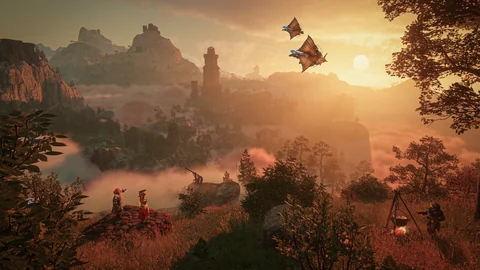
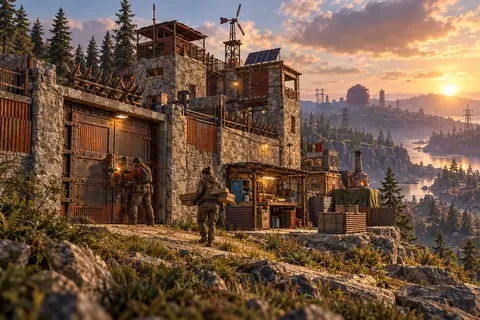
Prepare a Rust wipe: maps, blueprints and backups
Separate map wipes from blueprint wipes, keep a recoverable backup and verify the new world before reopening your Rust server.
Read the guideChoose infrastructure, solve a problem or prepare a migration with clear methods, useful checks and official documentation.
No guides match these criteria. Try another topic or a shorter search. Reset
Separate map wipes from blueprint wipes, keep a recoverable backup and verify the new world before reopening your Rust server.
Read the guideSeparate server addons from player downloads, prepare Workshop IDs and diagnose missing content without confusing Workshop with FastDL.
Read the guideCheck the server branch, distinguish Workshop IDs from Mod IDs and preserve your world before changing mods or Sandbox settings.
Read the guideMove the matching .db and .fwl files, check the selected world and distinguish Steam connections, crossplay and mod compatibility.
Read the guidePrepare mission rotation, distinguish keys from signatures and understand modpack and headless client limits on managed hosting.
Read the guideCompare a VPS’s real term cost, renewal, resources and licensing before choosing Linux or Windows for your project.
Read the guideDecide whether extra IPv4 are useful, count additional addresses correctly and prepare the forward A record before changing a PTR.
Read the guideSeparate maximum bandwidth, transferred volume and actual throughput. Estimate network options without confusing DDoS capacity with VPS port speed.
Read the guideFind the service credentials, distinguish RDP from the console and check licensing, sessions and resources before deploying applications.
Read the guideCompare a Linux Gaming VPS and game hosting with a panel: software, responsibility, updates, resources and a realistic backup budget.
Read the guidePlan Linux game instances on a Gaming VPS: shared resources, ports, databases, permissions and consistent backups without player-count guarantees.
Read the guidePlan SSH access, service accounts, updates and consistent game backups on a Linux Gaming VPS. Verify restoration before an incident.
Read the guideCompare PHP, SQL, storage, backups and maintenance responsibilities when choosing WordPress hosting for a blog, business website or shop.
Read the guidePlan a website move with files, SQL, A and AAAA, MX, SPF, DKIM, DMARC, TTL and DNSSEC, including verification and rollback decisions.
Read the guideDistinguish resale, agency work and referrals. Plan client requirements, billing, access, backups and technical escalation before choosing infrastructure.
Read the guideSeparate direct connections, info.json, private status, NAT and Cfx.re listing when a FiveM server is missing from the server browser.
Read the guideInterpret MemAvailable, swap, memory pressure, OOM evidence and SSH listeners with read-only checks that separate network and application problems.
Read the guidePrepare an Enshrouded 1.0 migration: preserve saves, compare versions, check conversion and world persistence, and separate PC/PS5 crossplay limits.
Read the guidePrepare Counter-Strike 2 with a private Steam token, match rules, maps, Metamod, CounterStrikeSharp and MatchZy, keeping CS2 distinct from CS:GO.
Read the guideConfigure Satisfactory with Server Manager, passwords, .sav imports and current 7777 TCP/UDP plus 8888 TCP roles, using actual service allocations.
Read the guidePrepare Unturned rules, Workshop maps, Config.txt and legacy Config.json, private GSLTs and OpenMod/RocketMod compatibility.
Read the guideUnderstand a DST cluster: Master, Caves, cluster.ini, server.ini, private Klei tokens, separate ports, mods and coordinated world backups.
Read the guidePlan coherent FiveM protection: separate HTTP and UDP, restrict the origin, secure txAdmin, validate events and diagnose incidents.
Read the guideTroubleshoot FiveM loading failures: assigned address and ports, resources, artifacts, HTTP proxies, UDP game traffic and evidence for support.
Read the guideCompare Java or Bedrock editions, engines, mods, CPU, memory, backups, assigned ports and DDoS protection before choosing Minecraft hosting.
Read the guideDiagnose Minecraft timeouts using the correct ports and protocols, Java or Bedrock versions, startup logs, DNS and server workload.
Read the guideSeparate network saturation, TCP or UDP attacks and application requests. Define traffic, limits and evidence before choosing DDoS protection.
Read the guideCompare shared CPU, memory, storage, maintenance and networking before choosing a Gaming VPS or dedicated server for your community.
Read the guideCompare GRE tunnels, HTTP or TCP/UDP proxies and BGP routing: protocols, origins, MTU, prefixes, responsibilities and safe cutover checks.
Read the guideCompare RTT, variation, loss and game processing time. Build repeatable measurements before and during DDoS mitigation.
Read the guide